Creating Tropical Landscapes with Palm Installation in Sarasota
Sarasota, Florida, offers the perfect environment for tropical landscapes. With its warm, humid climate, this region provides ideal conditions for palms and other tropical plants. Creating a tropical landscape in Sarasota is a popular choice for homeowners and businesses looking to enhance their outdoor spaces. Palm trees are central to these designs, offering elegance, shade, and a distinctive tropical atmosphere.
Proper palm installation is essential to ensure healthy growth and long-term success. From selecting the right species to planting, maintaining, and designing around these trees, each step contributes to a thriving, attractive landscape. This article explores how to create stunning tropical landscapes in Sarasota through careful palm installation.
Key Takeaways
- Palm trees add height, texture, and tropical appeal to landscapes.
- Selecting the right palm species ensures compatibility with Florida’s climate and soil.
- Proper installation techniques prevent future health and stability issues.
- Ongoing care, including watering, fertilization, and pruning, is essential.
- Palms improve property aesthetics, usability, and value.
- Consulting local experts can provide guidance for optimal results.
The Importance of Palms in Tropical Landscapes
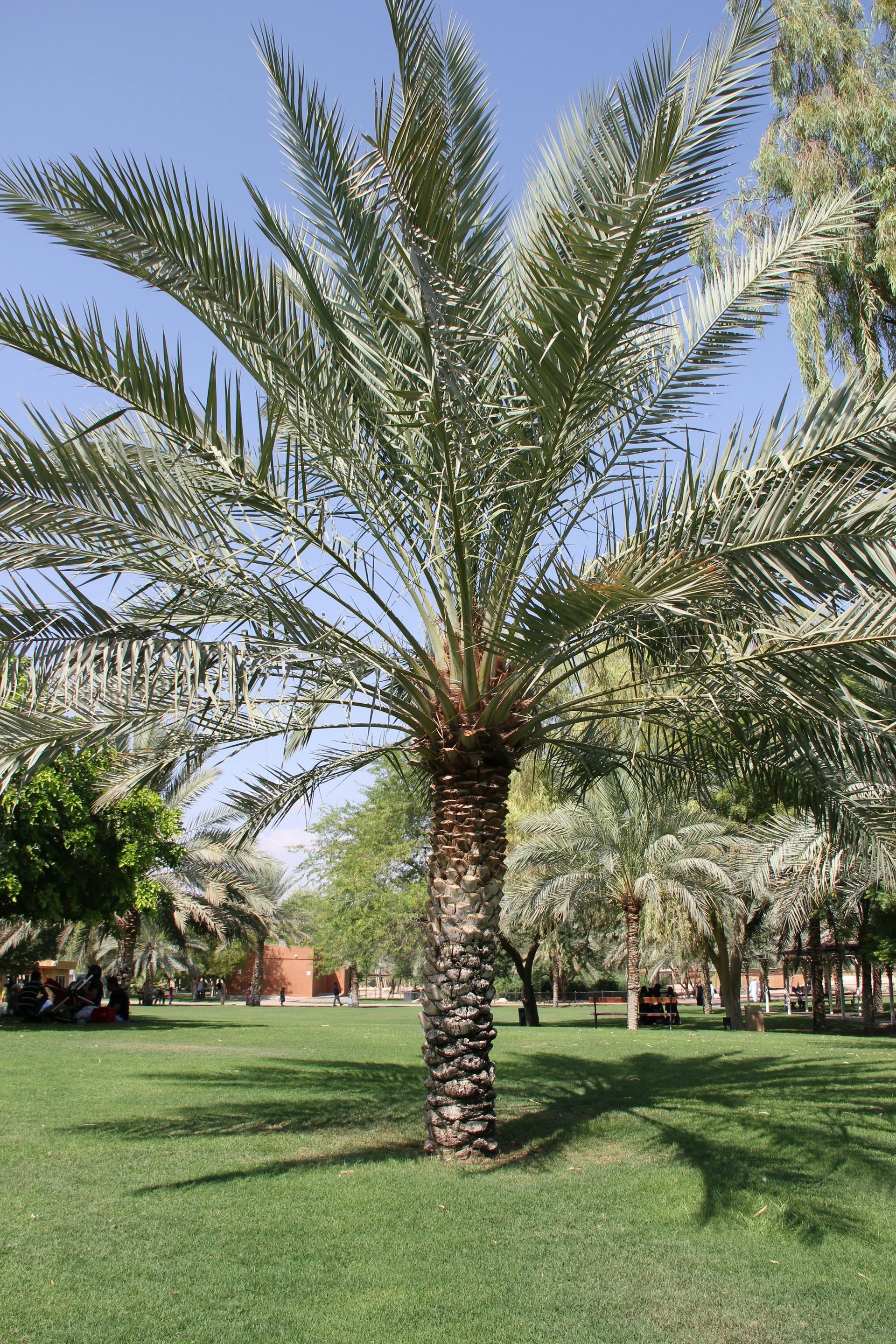
Palms are more than decorative elements. Their vertical structure and distinctive foliage create visual interest and define the character of a landscape. They can provide shade, act as natural privacy screens, or serve as focal points in your garden.
In Sarasota, several palms are commonly used for landscaping due to their adaptability and aesthetic qualities:
- Sabal Palm – Also known as the cabbage palm, it is native to Florida and highly resilient. It tolerates salt, wind, and drought, making it ideal for coastal properties.
- Queen Palm – Fast-growing with elegant, feathery fronds, it is a popular choice for residential and commercial spaces.
- Coconut Palm – Instantly recognizable with its long trunk and iconic fronds, the coconut palm thrives in sunny locations with well-drained soil.
- Pygmy Date Palm – Smaller and more compact, this palm works well for patios, planters, and accent areas.
- Windmill Palm – Tolerant to cooler temperatures and partial shade, ideal for mixed plantings and shaded areas.
- Foxtail Palm – Decorative with fluffy fronds, best used as a focal point or in groupings for dramatic effect.
Choosing the right species involves considering your property size, sun exposure, soil type, and landscape goals. Incorporating palms into a landscape can create layered designs that combine height, texture, and color, providing a natural tropical feel.
Choosing the Right Palms for Sarasota
Before planting, it is important to evaluate environmental conditions and your landscape objectives.
| Factor | Consideration |
|---|---|
| Climate | Sarasota’s subtropical climate supports most palms, but local microclimates may require selecting hardy species. |
| Soil | Well-draining soil is essential. Sandy soil is common near the coast, while inland areas may require amendments. |
| Space | Consider mature height and canopy spread to avoid overcrowding and interference with structures. |
| Sunlight | Most palms prefer full sun, but some species tolerate partial shade. |
| Purpose | Determine if palms are being used for aesthetics, privacy, windbreaks, shade, or as focal points. |
Local expertise can be invaluable when selecting species suited for your property and goals. Experienced landscapers can recommend palms that will thrive while complementing the surrounding environment.
Palm Installation: A Step-by-Step Guide
Proper installation is critical for healthy palm growth. Palms require careful handling, correct placement, and initial support to establish strong root systems.
1. Site Preparation
- Clear the planting area of debris, rocks, and weeds.
- Conduct a soil test to determine pH, nutrients, and drainage capacity.
- Dig a hole approximately twice the width of the root ball and slightly shallower than the height of the palm to encourage proper root growth.
- Amend the soil with organic compost if necessary to improve fertility and structure.
2. Handling and Transporting Palms
- Keep the root ball intact and avoid damaging the roots or trunk.
- Maintain moisture in the root ball during transport to prevent drying out.
- For taller palms or large specimens, professional equipment may be required to ensure safe handling.
3. Planting the Palm
- Center the palm in the hole and position it slightly above ground level for proper drainage.
- Backfill with a mixture of native soil and compost, gently tamping to eliminate air pockets.
- Ensure the trunk remains straight during planting.
4. Watering and Mulching
- Water thoroughly immediately after planting.
- Continue consistent watering for the first 3–6 months to support root establishment.
- Apply 2–3 inches of mulch around the base while keeping the trunk clear to prevent rot.
5. Staking and Support
- Young or tall palms may require staking for stability in windy conditions.
- Use soft ties to avoid damage to the trunk.
- Remove stakes after the palm is established, typically within one year.
Designing Tropical Landscapes with Palms
Palms can be strategically used to enhance landscape design:
- Entryways – Symmetrically placed palms along driveways or pathways create a welcoming tropical entrance.
- Privacy Screens – Grouping palms can block unwanted views while adding greenery.
- Focal Points – Tall or unique palms serve as eye-catching features in open areas.
- Layered Plantings – Combine palms with flowering shrubs, ground covers, and ornamental grasses to create depth and texture.
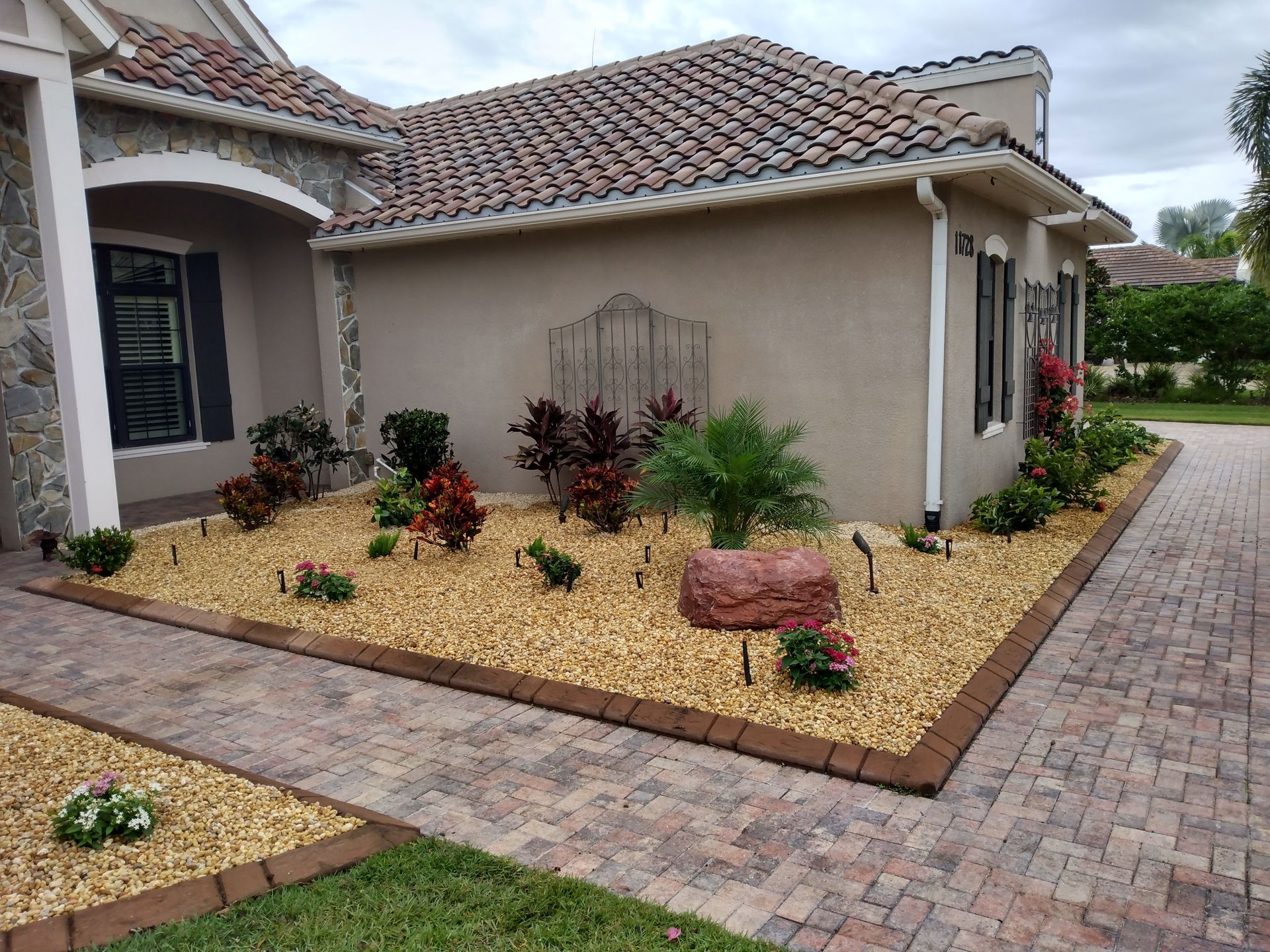
For a cohesive tropical landscape, consider combining palms with other plants like hibiscus, crotons, bird of paradise, and ornamental grasses. Hardscape features such as patios, pergolas, or water features can further enhance the tropical theme.
Palm Maintenance for Long-Term Success
Maintaining palms ensures their continued health and aesthetic appeal.
Watering
- Newly planted palms require consistent watering to establish roots.
- Mature palms are more drought-tolerant but still benefit from supplemental water during dry periods.
Fertilization
- Use slow-release palm-specific fertilizers containing essential nutrients such as potassium, magnesium, and nitrogen.
- Fertilize 2–4 times per year depending on species and soil conditions.
Pruning
- Remove dead or damaged fronds to maintain appearance and prevent pest infestations.
- Avoid over-pruning, as palms rely on fronds for photosynthesis and growth.
Pest and Disease Management
- Regularly inspect palms for signs of pests such as palm weevils, scale, or fungal infections.
- Early detection and treatment prevent severe damage.
Mulching
- Mulch helps retain soil moisture, regulate temperature, and reduce weeds.
- Maintain mulch thickness at 2–3 inches, keeping a clear space around the trunk.
Seasonal Considerations
- Protect sensitive palms during colder months or unusual weather events.
- Adjust irrigation and fertilization schedules according to seasonal rainfall and temperature.
Popular Palm Species for Sarasota Landscapes
Selecting the right palm species is essential for creating a successful tropical landscape in Sarasota. Different palms vary in size, growth rate, appearance, and maintenance requirements. Below is a mini-guide for the most popular palms used in Sarasota landscapes:
1. Sabal Palm (Cabbage Palm)
- Appearance: Tall, single-trunk palm with large, fan-shaped fronds.
- Height: Typically 40–60 feet at maturity.
- Growing Conditions: Extremely hardy; tolerates wind, salt spray, and drought. Prefers full sun but can tolerate partial shade.
- Maintenance: Low-maintenance; requires occasional pruning to remove dead fronds.
- Landscape Use: Ideal for coastal areas, property borders, or as shade providers. Works well as a natural screen or privacy barrier.
2. Queen Palm
- Appearance: Elegant, feathery fronds that arch gracefully.
- Height: Reaches 50 feet tall in optimal conditions.
- Growing Conditions: Fast-growing; prefers well-drained soil and full sun. Sensitive to frost.
- Maintenance: Requires regular watering and fertilization, especially in the first few years. Prune only dead fronds to avoid stress.
- Landscape Use: Excellent as a focal point in large gardens, driveways, or near pools. Adds instant tropical elegance to open spaces.
3. Coconut Palm
- Appearance: Iconic palm with long, slender trunk and large, arching fronds. Produces coconuts in mature trees.
- Height: Can grow up to 80 feet.
- Growing Conditions: Needs full sun and sandy, well-drained soil. Sensitive to cold and requires protection from strong winds during establishment.
- Maintenance: Requires consistent watering, especially in dry periods. Fertilize regularly with palm-specific fertilizer.
- Landscape Use: Ideal for beach-style landscapes, waterfront properties, or creating a vacation-like feel in backyards.
4. Pygmy Date Palm
- Appearance: Compact palm with feathery fronds and a slender trunk.
- Height: 6–10 feet.
- Growing Conditions: Prefers partial shade to full sun. Tolerates various soil types if well-drained.
- Maintenance: Low-maintenance; occasional pruning of older fronds recommended.
- Landscape Use: Perfect for patios, container planting, entryways, or as accent plants in garden beds. Works well in small or medium-sized landscapes.
5. Windmill Palm
- Appearance: Fan-shaped fronds with a more compact growth habit.
- Height: Typically 15–30 feet.
- Growing Conditions: Can tolerate partial shade and cooler temperatures. Prefers well-drained soil and regular watering.
- Maintenance: Minimal pruning; resistant to pests and diseases.
- Landscape Use: Suitable for shaded areas, small yards, or as an understory plant in layered tropical landscapes.
6. Foxtail Palm
- Appearance: Decorative fronds resemble a bushy, fluffy tail. Smooth, gray trunk.
- Height: 30–50 feet.
- Growing Conditions: Requires full sun and well-drained soil. Prefers humid climates and consistent watering during establishment.
- Maintenance: Moderate; prune dead fronds carefully to maintain appearance. Fertilize regularly.
- Landscape Use: Serves as a visual focal point or statement tree. Can be grouped for dramatic impact or planted near entrances.
Choosing the Right Species
When selecting palms for your Sarasota landscape, consider:
- Space Requirements: Ensure the palm’s mature height and spread fit your available space.
- Sun Exposure: Match the species with your yard’s sun or shade conditions.
- Maintenance Level: Some palms require more care than others, so choose based on your willingness to maintain them.
- Design Goals: Decide if palms will be focal points, privacy screens, accent plants, or part of mixed plantings.
By understanding each species’ characteristics, you can design a tropical landscape that thrives in Sarasota’s climate while achieving the desired aesthetic.
Frequently Asked Questions
How long does it take for a newly installed palm to establish?
Most palms establish roots within 6–12 months. Growth rates depend on species, soil, and care.
Can palms be planted in containers in Sarasota?
Yes, smaller palms such as pygmy date palms or sago palms do well in containers with proper soil, sun, and water.
Are palms resistant to Sarasota’s storms and high winds?
Wind tolerance varies by species. Sabal and Queen palms are naturally resilient, and staking during establishment helps increase stability.
How often should palms be fertilized?
Fertilize 2–4 times per year with palm-specific fertilizers for optimal growth and health.
What is the best time of year to install palms?
Early spring and fall are ideal planting times to allow roots to establish before extreme heat or cold.
Final Thoughts
Creating tropical landscapes with palm installation in Sarasota adds beauty, value, and functionality to any outdoor space. By selecting appropriate palm species, following proper planting techniques, and maintaining your palms through watering, fertilization, and pruning, you can ensure long-lasting success. Palms provide visual interest, shade, privacy, and a serene tropical atmosphere.
Consulting with local landscape professionals ensures the best results. They can recommend suitable species, planting strategies, and long-term care practices tailored to your property. With proper planning and care, your tropical landscape in Sarasota will thrive, creating a lush and inviting outdoor environment.
Transform your outdoor space into a tropical paradise. Contact our experts today to design and install the perfect palms for your property.
Reference:
https://www.houzz.com/photos/tropical-landscaping-ideas-phbr1-bp~t_728~s_2108